3 Tips for Saving Energy in Hospitality For A Sustainable World
Saving energy in hospitality should always be a key KPI...


Saving energy in hospitality should always be a key KPI.
Due to the fact that the hospitality industry is one of the world’s largest energy consumers.
And that’s not good news for our planet, or a hospitality business’ wallet.
Reducing energy usage in this sector is becoming increasingly important with rising energy costs and increased environmental awareness.
You can find out more how you too can benefit from the latest business energy rates.
Fortunately, a few simple steps can be taken to reduce energy consumption in the hospitality industry.
In this article, we’ll discuss some tips to help you instantly reduce energy usage and save money.
From making sure your appliances are properly maintained to investing in renewable sources of energy, these tips will help you make a positive impact on the environment while saving money at the same time.
By using these three tips, hotels, resorts, and other businesses in the hospitality industry can save a lot of energy and money on their utility bills.
Let’s have a look at these saving energy for hospitality tips:
1. Use energy-efficient lighting
One of the easiest and most effective ways to save energy in a hospitality setting is by installing energy-efficient lighting.
LED lights use significantly less electricity than traditional incandescent bulbs, which last much longer, so they need to be replaced less often.

Also, many LED lights have sensors built in that can tell when a room is empty and turn off the lights, saving even more energy.
2. Optimize HVAC systems
Another major source of energy consumption in the hospitality industry is heating, ventilation, and air conditioning (HVAC) systems. }
To save energy and reduce costs, it is important to ensure that these systems operate at peak efficiency.
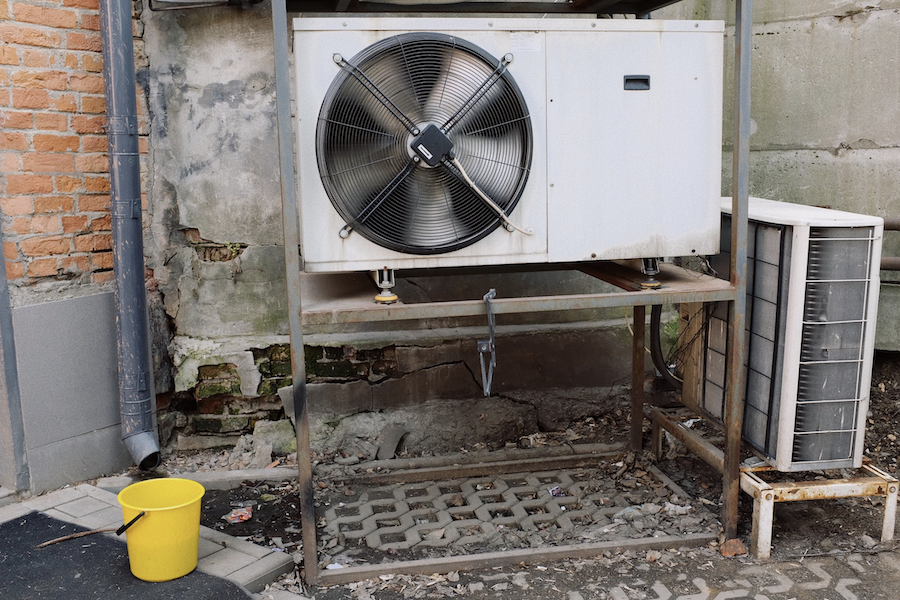
You can do this by scheduling regular maintenance and cleaning and putting in place temperature control systems that let you change the temperature in each room.
3. Invest in renewable energy
A third way to save energy in the hospitality industry is by investing in renewable energy sources.
Solar panels, for example, can generate electricity for a hotel or resort, while geothermal systems can heat and cool buildings.
Not only will these options help to reduce energy consumption and costs, but they will also help you be more environmentally friendly.
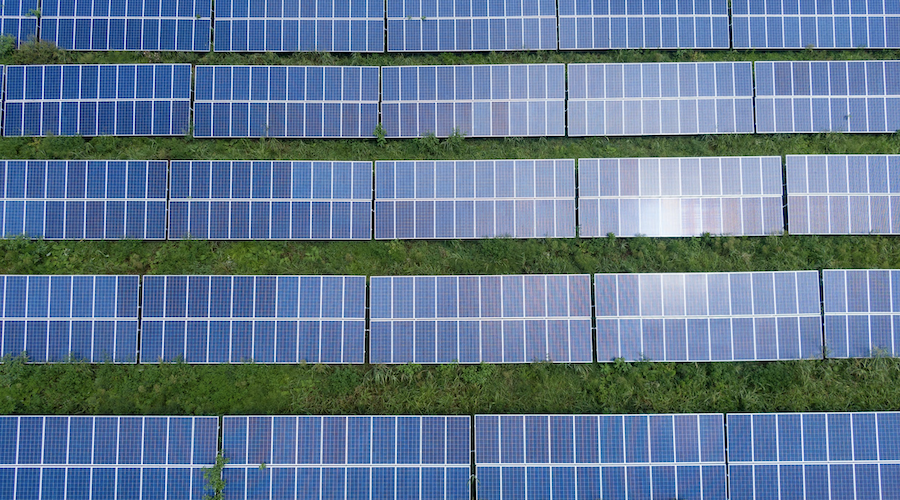
Renewable energy sources are becoming increasingly important for businesses to incorporate into their business models.
Not only do they reduce carbon emissions, but they also provide a reliable source of energy that can be used in the future.
With the right planning, businesses can use renewable energy sources to reduce their environmental impact and save money in the long run.
What is the Hospitality Industry and Why is Energy Efficiency Important?
The hospitality industry is a booming sector that provides accommodation, food and beverage, entertainment, and transportation services.
It is an important part of the economy, contributing to job creation and economic growth.
Energy efficiency is important in the hospitality industry because it helps keep costs down, makes customers happier, and protects the environment.

By implementing energy-efficient practices such as using LED lighting or investing in renewable energy sources like solar panels, businesses can save money on their electricity bills while reducing their carbon footprint.
Additionally, guests appreciate staying in hotels that are taking steps to be more sustainable.
What is the Importance of Sustainable Energy Practices in Hospitality?
Sustainable energy practices are becoming increasingly important for the hospitality industry.
As climate change’s effects become more evident, hotels, restaurants, and other hospitality businesses are beginning to realise the importance of reducing their carbon footprint.
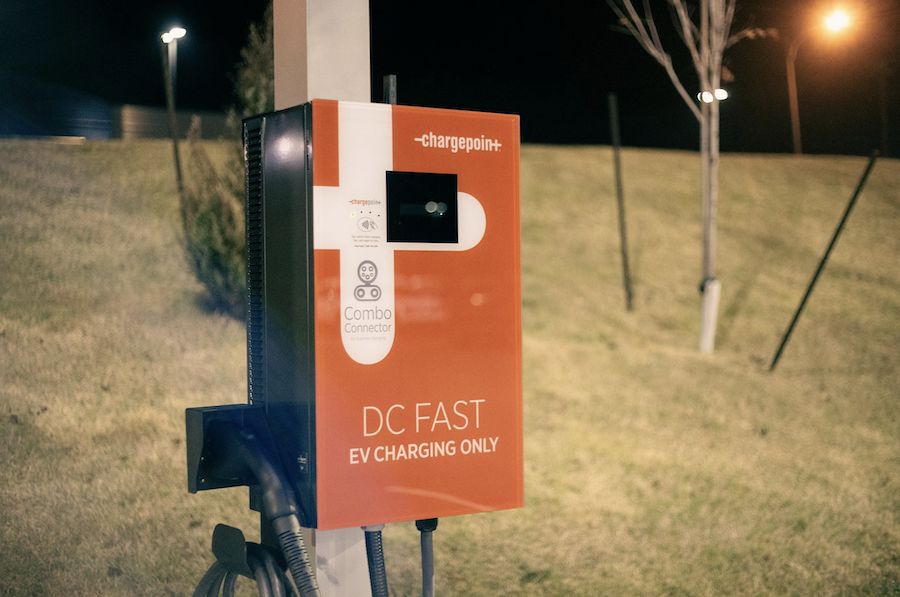
By implementing sustainable energy practices, these businesses can reduce their energy consumption and save money in the long run.
Sustainable energy practices also help these businesses build a good reputation with the public because they show that they care about the environment.
Invest in Smart Technology and Automation for Energy Efficiency
Investing in smart technology and automation is becoming increasingly important for businesses that want to save energy and reduce their carbon footprint.
Smart technology can help you monitor energy consumption, automate processes, optimise systems, and more.

Automation can also help you reduce waste, increase efficiency, and streamline operations.
By investing in smart technology and automation for energy efficiency, you will be able to save money in the long run while also doing your part to protect the environment.
Monitor and Analyse Your Venue’s Energy Usage to Achieve Maximum Efficiency
Energy efficiency is a crucial factor for the success of any hospitality business.
With the help of energy monitoring and analysis, hotels can ensure that they are utilising their energy resources most efficiently.

By tracking and analysing energy usage, hotels can identify areas where they can save money and reduce their environmental impact.
They can also use this data to develop strategies to optimise their energy consumption and create cost savings. With the right tools, hotels can be as efficient as possible while leaving less of an impact on the environment.
In Summary
Implementing energy-efficient lighting, optimising HVAC systems, and investing in renewable energy sources are all effective ways to save energy and reduce costs in the hospitality industry.
With careful planning and regular maintenance, these steps can help a business last longer and make more money.